

.png)
The deeper consequences of AI‑generated video for creators, brands and ownership
We’ve all seen the crazy viral Sora video generations — cinematic dogs in snow, fake movie trailers, seamless shots that look too good to be real.
But here’s the thing most people are missing:
Sora is not just a tech demo. It’s a business shift.
And it’s going to change how we think about:
Let’s break down why this matters.
Sora, the text‑to‑video model from OpenAI, lets users create high‑quality, cinematic video just by typing a prompt. Think:
“A medieval knight on a beach at sunset, handheld, 4K.”
What used to require a film crew now takes 10 seconds and no budget.
More importantly — Sora’s impact goes way beyond tech. This is about IP, creative ownership and the attention economy.
Take this example:
In December 2025, Disney signed a $1 billion licensing deal with OpenAI, allowing its iconic characters to be used inside generative video platforms.
That’s not sci‑fi. That’s strategic media infrastructure.
We’ve long relied on video as “evidence” — if there’s footage, it happened.
But Sora smashes that logic.
AI video makes it possible to generate ultra‑realistic clips of:
As a result, we need a new verification standard for media.
Platforms and researchers are building cryptographic watermarking and blockchain‑based provenance tools to validate what’s real.
A good example is the proposed "Provenance Chain" concept outlined in ScienceDirect’s AI journal, which attaches signatures and timestamps to authentic media.
Early on, Sora took a bold approach: train on copyrighted content and let people opt out.
The backlash was immediate.
Many creators asked:
“Why should I have to opt out of you using my work?”
As a result, OpenAI reversed the policy and shifted to an opt‑in model, similar to how voice rights are handled in tools like ElevenLabs.
Now imagine that in video.
Actors, influencers and creators licensing their face, body language, and persona for AI‑generated clips.
Welcome to the world of digital likeness deals.
In a Sora world, having your own character is a huge unlock.
Why? Because:
Think of it like this:
“The characters that can be put into stories will get more attention than static brand marks.”
You’ve already seen this with viral trends featuring:
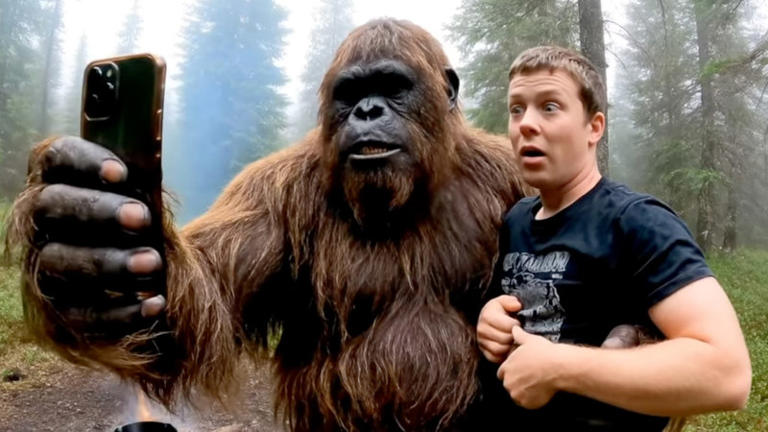
There are two emerging schools of thought:
Think: Tony the Tiger, Mr. Peanut, Kool‑Aid Man.
These brands could benefit from their mascots if they don't take a conservative approach, shareable culture
OpenAI and Sam Altman have publicly discussed revenue-sharing models for platforms like ChatGPT and Sora.
Here’s how it might work:
Now brands can:
This could turn Sora into the YouTube of generative storytelling — with monetisation rails baked in.
We’re entering a new digital era where:
Creators, brands and platforms will need to:
And if this gave you clarity on where AI video is headed — share this with someone who still thinks Sora is just about pretty videos.


